How Fish Hydrolysate Builds Drought Resistance

How Fish Hydrolysate Prepares Australian Farms for Extreme Weather

Fish hydrolysate’s ability to enhance drought resistance stems from its unique composition and how it interacts with both the plant and the soil ecosystem. Unlike synthetic fertilisers, which primarily feed the plant directly, fish hydrolysate feeds both the plant and the soil’s microbial life. This creates a more robust and self-sufficient system.

How Fish Hydrolysate Prepares Australian Farms for Extreme Weather
How Fish Hydrolysate Prepares Australian Farms for Extreme Weather

For Australian farmers, the cycle of drought and flood is a familiar, formidable challenge. As climate variability intensifies, building true resilience into our agricultural systems is no longer optional—it’s essential for survival and profitability.

While we can’t control the weather, we can fundamentally change how our farms respond to it. The key lies in moving beyond short-term fixes and investing in the long-term health of our most valuable asset: the soil.
Recent scientific understanding and on-farm results are highlighting the powerful role of biological stimulants like fish hydrolysate. Unlike synthetic inputs that offer a direct, often temporary, feed to the plant, fish hydrolysate works by revitalising the entire soil ecosystem. This creates a robust, self-sufficient system better able to withstand extreme weather events.

Here, we break down the science-backed mechanisms that explain how this process works.

1. Building a “Soil Sponge”
A primary defence against drought is the soil’s ability to capture and store every drop of available water. This capacity is directly linked to soil structure.

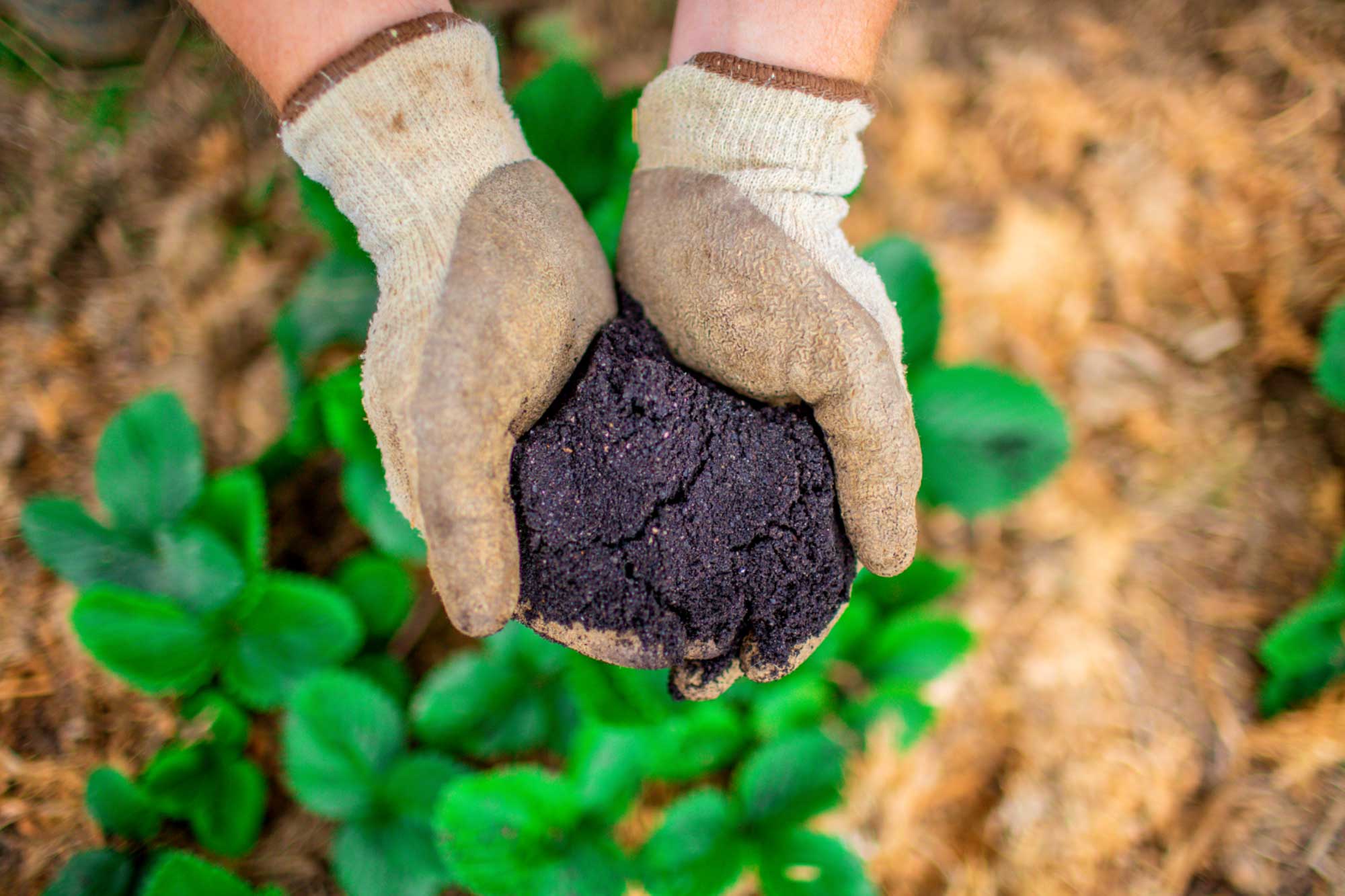
The Mechanism: Fish hydrolysate is a rich source of oils, amino acids, and carbohydrates that serve as a premium food source for beneficial soil microbes, particularly arbuscular mycorrhizal fungi (AMF). As these fungal populations flourish, they produce a sticky, carbon-rich glycoprotein called glomalin.

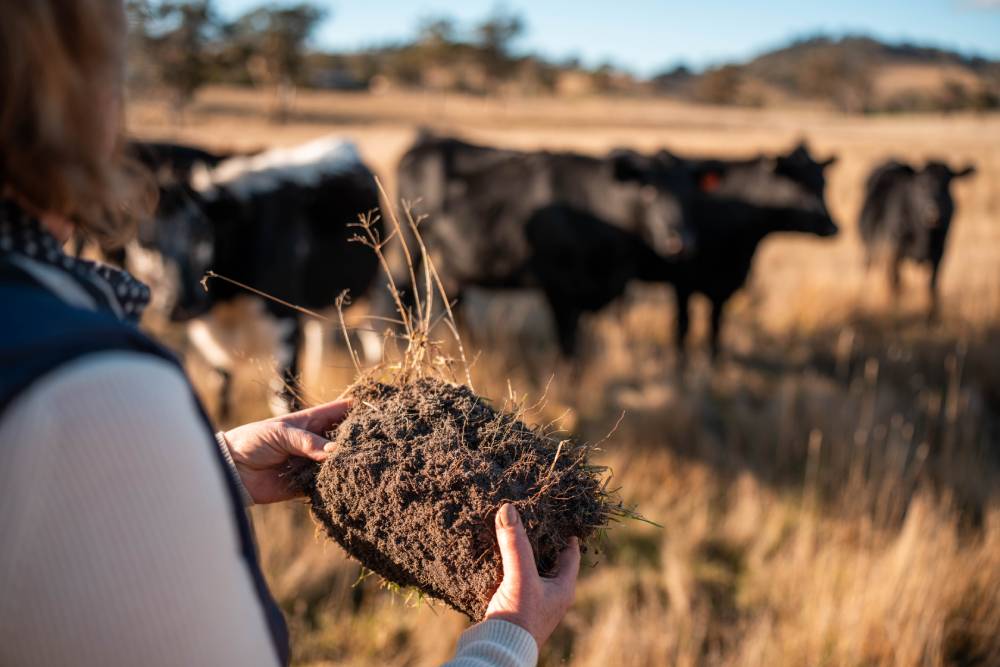
The Scientific Impact: Research has firmly established glomalin as a primary agent in soil aggregation. It acts as a powerful glue, binding tiny mineral particles into larger, stable macroaggregates. This process creates a well-aerated, crumbly soil structure filled with pores, which dramatically increases the soil’s water-holding capacity. When rain does fall, a well-structured soil captures more water, reduces erosive runoff, and stores that moisture in the root zone for plants to use during subsequent dry periods.

Research Link: Studies on glomalin-related soil protein (GRSP) show it is a key factor in improving soil hydraulic properties and increasing drought tolerance in plants.

2. The Biostimulant Effect
A plant’s ability to survive a dry spell is directly related to the size and depth of its root system.

The Mechanism: Fish hydrolysate is rich in natural biostimulants, including a wide array of amino acids and peptides. These compounds act as signalling molecules that encourage plants to develop larger, deeper, and more complex root systems.

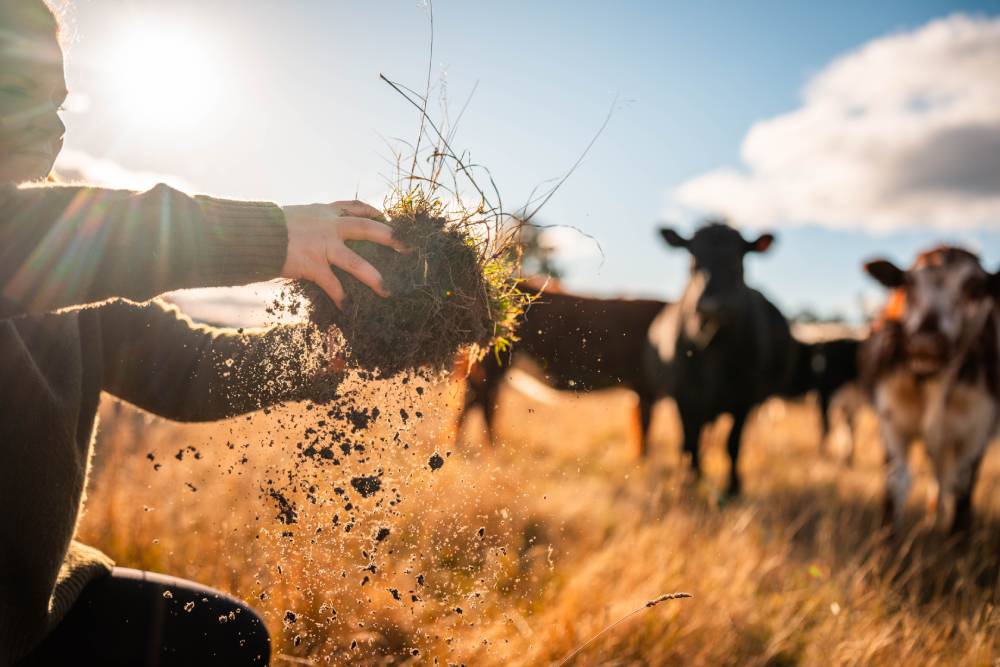
The Scientific Impact: An extensive root system is a plant’s lifeline during a drought. It allows the plant to explore a greater volume of soil, accessing water and nutrients from deeper in the profile long after the topsoil has dried out. An Australian case study on a dryland lucerne farm demonstrated significant annual improvements in production after incorporating fish hydrolysate, a result linked to better soil health and likely enhanced root development. While a 2024 Macquarie University study noted varied results for bio-stimulants on urban plants under drought, the broader agricultural consensus points to positive effects on root development in production systems.

3. Helping Plants Manage Stress with Amino Acids
True resilience also comes from within the plant itself.

The Mechanism: Fish hydrolysate delivers a direct supply of free amino acids, most notably proline. Plants can absorb these compounds directly through their leaves or roots and use them as “osmolytes” to manage internal water balance.

The Scientific Impact: Under drought stress, plant cells lose turgor and can be damaged. By accumulating osmolytes like proline, a plant can better regulate its osmotic potential, helping to prevent cell damage and wilting. This allows critical metabolic processes like photosynthesis to continue for longer under dry conditions. Numerous studies have confirmed that the exogenous application of proline enhances plant resistance to various abiotic stresses, including drought.

Research Link: A comprehensive 2023 review in Plants highlighted the central role of amino acids like proline and cysteine in regulating pathways involved in abiotic stress responses, noting that their use in biostimulants is becoming common practice due to this knowledge.points to positive effects on root development in production systems.

The Ocean2Earth Advantage

By understanding these mechanisms, it becomes clear that using a high-quality fish hydrolysate is not just about feeding the plant—it’s about building a comprehensive, multi-layered defence system.

The cold-hydrolysis process used for Ocean2Earth Seaspray preserves the delicate balance of oils, proteins, and amino acids, ensuring the maximum biological benefit. The result is a powerful tool that:
1. Feeds soil microbes to improve soil structure and water retention.
2. Stimulates deep root growth for better access to subsoil moisture.
3. Provides essential amino acids to help plants manage stress internally.

In the face of Australia’s climatic challenges, investing in soil biology is the most effective strategy for long-term productivity and resilience. By working with nature’s own systems, we can build farms that are better prepared to not only survive extreme weather but to bounce back faster and stronger.

In summary, fish hydrolysate builds drought resistance from multiple angles:
• It improves the soil’s ability to capture and store water.
• It helps the plant grow a better root system to find that water.
• It gives the plant the internal tools (amino acids) to manage water stress.
• It ensures the plant is healthy and well-fed to withstand the stress.
This multi-pronged approach is why it’s a cornerstone of resilient farming systems worldwide, particularly in drought-prone regions like Australia.
Synthetic NPK Fertilisers vs Biological Stimulants: Understanding the Future of Sustainable Agriculture

Synthetic NPK Fertilisers vs Biological Stimulants: Understanding the Future of Sustainable Agriculture

As Australian farmers face increasing pressure from rising fertiliser costs, environmental regulations, and climate variability, the agricultural industry stands at a crossroads. The choice between traditional synthetic NPK fertilisers and innovative biological stimulants represents more than just a product decision—it’s a fundamental shift in how we approach soil health, plant nutrition, and sustainable farming practices.

At Ocean2Earth, we’ve witnessed firsthand how biological stimulants like our SeaSpray Hydrolysate and Compost Extract are transforming Australian agriculture. This comprehensive analysis explores why comparing biostimulants to synthetic fertilisers by NPK numbers alone misses the bigger picture of agricultural sustainability and long-term productivity.

The Short Answer

Comparing biostimulants to synthetic fertilisers by NPK numbers misses the point entirely. Fertilisers feed the plant directly through chemical nutrients, while biostimulants feed the entire system—the soil, the microbes, and the plant’s natural physiology—improving efficiency, resilience, and long-term productivity.

Five reasons why Australian farmers choose Ocean2Earth SeaSpray for summer pastures

SeaSpray Ocean2Earth

As Australian farmers prepare for summer sowing season, Ocean2Earth SeaSpray is revolutionising how progressive producers approach pasture nutrition. This biologically active liquid fertiliser offers what we call “a seafood buffet for your crops,” delivering far more than traditional synthetic alternatives.

1. Biologically Active Nutrition System

Unlike synthetic fertilisers that can sometimes leach nutrients into soil, SeaSpray works as a
complete biological system. Created from locally sourced fish waste, it introduces beneficial
microorganisms that enhance soil biology within 24 hours, creating networks that extend
your plants & ability to access nutrients and water. It can work alone or in partnership with our
foliars range, maximising nutrient efficiency.


2. Perfect for Australian Summer Crops

SeaSpray excels with heat-tolerant crops like sorghum and millet. The amino acids and
proteins support rapid establishment during critical early growth phases, while enhanced
microbial activity improves drought tolerance—essential for Australia’s variable climate
conditions.,


3. Enhanced Soil Biology for Long-Term Benefits

Each SeaSpray application introduces beneficial microorganisms that continue working long
after treatment. Mycorrhizal fungi form symbiotic relationships with plant roots, expanding
nutrient access by up to 300%. This biological enhancement creates healthier, more resilient
soil ecosystems.


4. Immediate and Sustained Nutrient Delivery

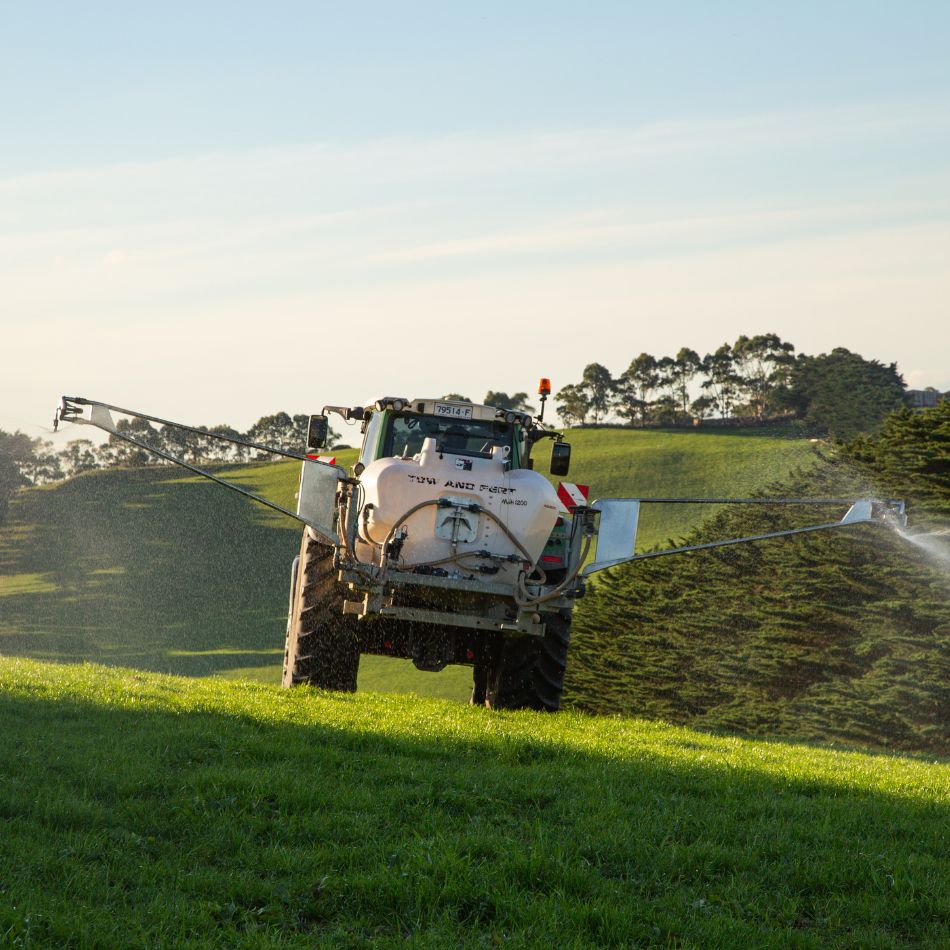
SeaSpray’s foliar feeding capability provides immediate nutrition when soil moisture limits
root uptake, while its biological components ensure sustained nutrient release throughout the
growing season. This dual-action approach maximises efficiency during critical growth
periods.


5. Proven Economic and Environmental Returns

Australian farmers report reductions in fertiliser requirements, improved drought tolerance,
and great resilience in summer crops. By converting fish waste into valuable agricultural
inputs, SeaSpray supports circular economy principles while reducing environmental impact.

Ready to give your summer crops alternative nutrition back by biology? Ocean2Earth SeaSpray delivers the alternative nutrition your pastures need to thrive in Australian conditions.  Contact us today!

DELTAwater pays it forward to Ocean2earth

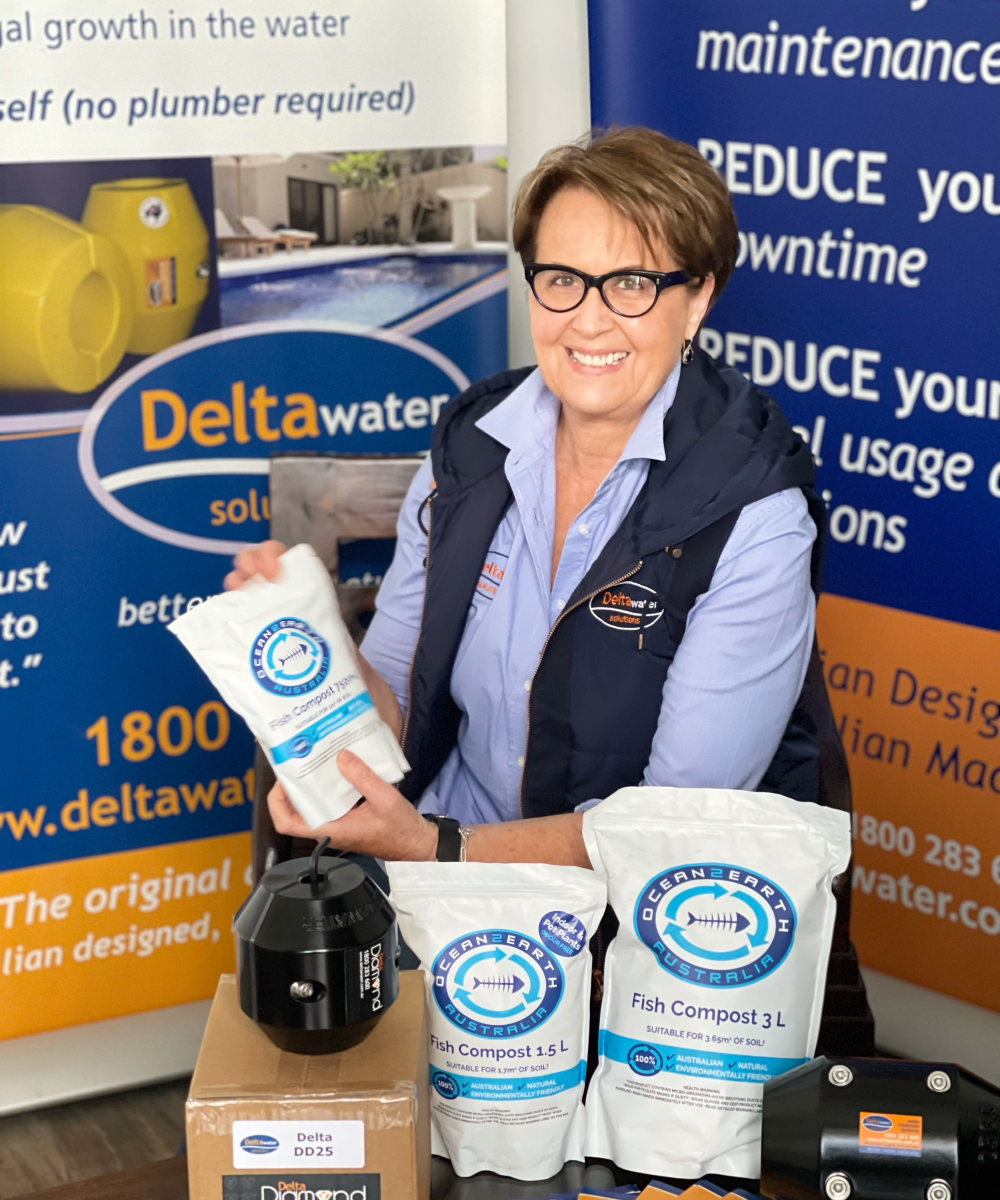
Water treatment company DELTAwater solutions is paying it forward to new compost manufacturing business Ocean2earth Australia by launching a spring gardening campaign highlighting Australian made innovation.

DELTAwater has purchased a palette of the compost, which launched in Australia in autumn, to help raise the profile of Ocean2earth which repurposes marine waste into a useful product.

Alex and Dianne Panov founded DELTAwater solutions in Newcastle more than 25 years ago and recognise some of themselves in Ocean2earth, which collects marine waste from manufacturers and suppliers and turns it into a highly concentrated compost.

DELTAwater solutions manufactures a water treatment system with a small environmental footprint, which is power-free, maintenance free and chemical free.

“When we first started designing and manufacturing a water treatment system for the agricultural industry in the early 1990s, we were filling a void to make a product that wasn’t available,” Dianne says.

“Ocean2earth Australia is a new company founded by two brothers, Tim and Kyran Crane from the NSW Far South Coast. They also saw a problem, marine waste going into our oceans and into landfill, and have put a lot of time, energy and effort into finding an innovative solution.”

DELTAwater solutions manufacture customised water conditioners to treat specific water problems including salinity, calcium-scale, water hardness, iron and corrosion.

Dianne says the combination of DELTA-treated water and Ocean2earth Australia fish compost in the garden was a powerful one.

“We have a lush garden at home thanks to our town water supply being treated by a DELTAwater conditioner, and in preparation for spring we mixed the Ocean2earth fish compost into our pots, herb, flower and garden beds and the results are already showing. It’s a great product that we are proud to support.”

Ocean2earth Australia started processing their compost in 2019 and after EPA approval, launched their product in autumn 2021. It is made using a whole new natural composting process which isn’t used anywhere else in Australia, utilising waste products destined for landfill, creating jobs and providing a product packaged for the small backyard market right through to large-scale fruit and vegetable growers.

Kyran says they’re rapt to have the support from DELTAwater solutions.

“We are just starting out and getting our product into the market and are on a rapid learning curve. To have the backing of another innovative Australian business which is so well established is terrific. Dianne and Alex’s generosity in paying it forward is something we never imagined, we are extremely grateful.”

  • Everyone who purchases a DELTAwater solutions water treatment conditioner during spring will get a free bag of Ocean2earth Australia’s highly-concentrated, quality fish compost. The offer will run until November 30, 2021.