

How Soil Biology Builds Resilience to Australia’s Weather Extremes

How Soil Biology Builds Resilience to Australia's Weather Extremes

For Australian farmers, predictability is a luxury we can rarely afford. Our landscape is defined by extremes—from punishing droughts and scorching heatwaves to sudden, intense downpours and flooding. In this environment, building a farm that can not only survive but also bounce back quickly is the key to long-term success.

The secret to this resilience isn’t found in a single product or a quick fix. It lies in the complex, living ecosystem right under our feet: our soil biology.

A farm with healthy, active soil biology is fundamentally better equipped to handle whatever the climate throws at it. By fostering this underground workforce, we create a natural buffer that protects against both too little water and too much. One of the most effective ways to fuel this engine is with a high-quality biological stimulant like Fish Hydrolysate.

Beyond a Simple Fertiliser: Building a System-Wide Defence

Unlike conventional inputs that provide a temporary feed, fish hydrolysate works on a deeper level. It enhances the entire soil-plant system, creating a powerful, natural defence against a range of weather stresses.

Here’s how a biologically active soil, stimulated by fish hydrolysate, tackles Australia’s key challenges:
1. The Defence Against Drought: Turning Your Soil into a Sponge
How it Works: The rich nutrients in fish hydrolysate are a feast for beneficial soil fungi. These fungi produce sticky compounds (like glomalin) that bind soil particles into stable aggregates.
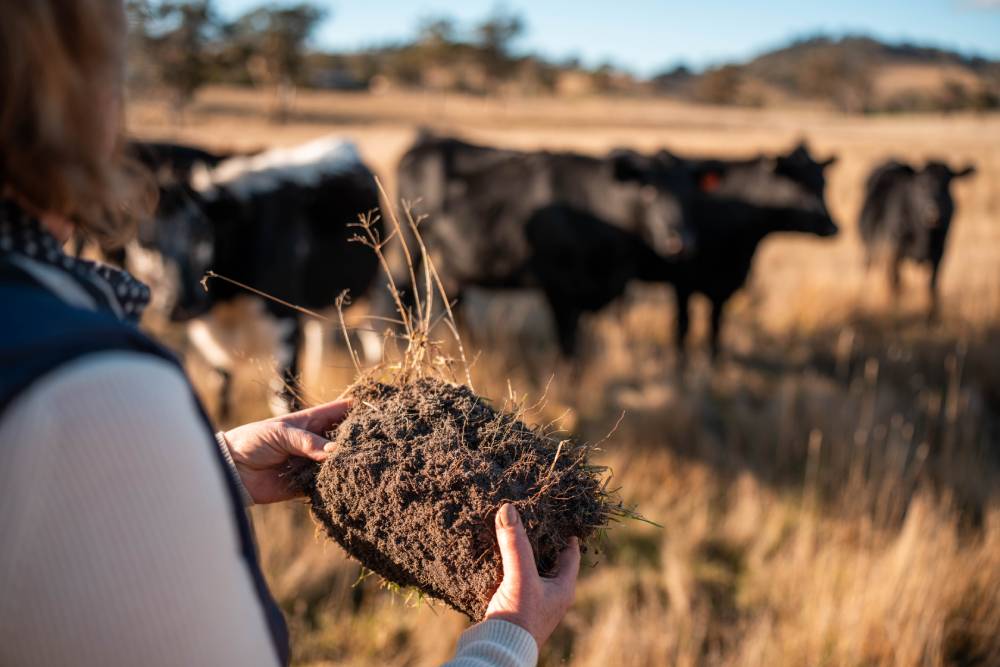
The Resilience Benefit: This creates a crumbly, porous soil structure that acts like a sponge. It dramatically increases water infiltration and retention, meaning more of the rain you get is captured and stored in the root zone. This vital reservoir provides a lifeline for plants during the inevitable dry spells.

2. The Defence Against Deluge: Preventing Runoff and Waterlogging
How it Works: The same aggregated soil structure that holds water so well also allows excess water to drain away more effectively. The network of pores and channels prevents the soil surface from sealing over.
The Resilience Benefit: During an intense downpour, this structure allows water to move through the soil profile rather than pooling on top or sheeting off as erosive runoff. This reduces the risk of waterlogging, protects topsoil from being washed away, and ensures plant roots don’t suffocate in saturated conditions.

3. The Defence Against Heat: Insulating Roots and Supporting Plants
How it Works: A healthy soil ecosystem, rich in organic matter and with a strong structure, provides natural insulation. Furthermore, the amino acids (like proline) in fish hydrolysate help plants regulate their internal processes.
The Resilience Benefit: This insulation protects sensitive root systems from extreme temperature spikes. Internally, the amino acids help the plant manage heat stress, resist wilting, and continue to function. A well-nourished plant with a robust root system is simply stronger and better equipped to handle the strain of a heatwave.

The Evidence: Australian Research Confirms the Benefits

This isn’t just theory; it’s backed by local research. A recent study from Western Sydney University investigated the impact of biostimulants on crops under drought conditions. The researchers found that these products “generally increased crop yield and microbial biomass, conferring resistance to drought in both soil communities and plants.”

Crucially, they noted the effects were often stronger in less intensively managed soils, highlighting the power of kickstarting natural biological processes.

The Ocean2Earth Advantage: Your Partner in Resilience

Our Seaspray Fish Hydrolysate is created using a unique cold-hydrolysis process that preserves the maximum biological value. It’s a powerhouse of biology designed to:
• Feed and stimulate the diverse microbes that build soil structure.
• Promote deep, resilient root systems.
• Increase plant tolerance against a wide range of environmental stresses.
In the face of Australia’s changing climate, investing in your soil’s biology is the smartest insurance policy you can have. Start building your farm’s defence from the ground up and give yourself the best chance of success, no matter what the season brings.

A Western Sydney University study on bio-stimulants found they generally increased crop yield and microbial biomass, conferring resistance to drought in both soil communities and plants, with effects being stronger in less intensively managed soils.

Here is the direct link to the full, open-access article:
https://onlinelibrary.wiley.com/doi/full/10.1002/sae2.12093
Ready to build a more resilient farm? Explore our Seaspray Fish Hydrolysate today.

How Fish Hydrolysate Builds Drought Resistance

How Fish Hydrolysate Prepares Australian Farms for Extreme Weather

Fish hydrolysate’s ability to enhance drought resistance stems from its unique composition and how it interacts with both the plant and the soil ecosystem. Unlike synthetic fertilisers, which primarily feed the plant directly, fish hydrolysate feeds both the plant and the soil’s microbial life. This creates a more robust and self-sufficient system.

How Fish Hydrolysate Prepares Australian Farms for Extreme Weather

How Fish Hydrolysate Prepares Australian Farms for Extreme Weather

For Australian farmers, the cycle of drought and flood is a familiar, formidable challenge. As climate variability intensifies, building true resilience into our agricultural systems is no longer optional—it’s essential for survival and profitability.

While we can’t control the weather, we can fundamentally change how our farms respond to it. The key lies in moving beyond short-term fixes and investing in the long-term health of our most valuable asset: the soil.
Recent scientific understanding and on-farm results are highlighting the powerful role of biological stimulants like fish hydrolysate. Unlike synthetic inputs that offer a direct, often temporary, feed to the plant, fish hydrolysate works by revitalising the entire soil ecosystem. This creates a robust, self-sufficient system better able to withstand extreme weather events.

Here, we break down the science-backed mechanisms that explain how this process works.

1. Building a “Soil Sponge”
A primary defence against drought is the soil’s ability to capture and store every drop of available water. This capacity is directly linked to soil structure.

The Mechanism: Fish hydrolysate is a rich source of oils, amino acids, and carbohydrates that serve as a premium food source for beneficial soil microbes, particularly arbuscular mycorrhizal fungi (AMF). As these fungal populations flourish, they produce a sticky, carbon-rich glycoprotein called glomalin.

The Scientific Impact: Research has firmly established glomalin as a primary agent in soil aggregation. It acts as a powerful glue, binding tiny mineral particles into larger, stable macroaggregates. This process creates a well-aerated, crumbly soil structure filled with pores, which dramatically increases the soil’s water-holding capacity. When rain does fall, a well-structured soil captures more water, reduces erosive runoff, and stores that moisture in the root zone for plants to use during subsequent dry periods.

Research Link: Studies on glomalin-related soil protein (GRSP) show it is a key factor in improving soil hydraulic properties and increasing drought tolerance in plants.

2. The Biostimulant Effect
A plant’s ability to survive a dry spell is directly related to the size and depth of its root system.

The Mechanism: Fish hydrolysate is rich in natural biostimulants, including a wide array of amino acids and peptides. These compounds act as signalling molecules that encourage plants to develop larger, deeper, and more complex root systems.

The Scientific Impact: An extensive root system is a plant’s lifeline during a drought. It allows the plant to explore a greater volume of soil, accessing water and nutrients from deeper in the profile long after the topsoil has dried out. An Australian case study on a dryland lucerne farm demonstrated significant annual improvements in production after incorporating fish hydrolysate, a result linked to better soil health and likely enhanced root development. While a 2024 Macquarie University study noted varied results for bio-stimulants on urban plants under drought, the broader agricultural consensus points to positive effects on root development in production systems.

3. Helping Plants Manage Stress with Amino Acids
True resilience also comes from within the plant itself.

The Mechanism: Fish hydrolysate delivers a direct supply of free amino acids, most notably proline. Plants can absorb these compounds directly through their leaves or roots and use them as “osmolytes” to manage internal water balance.

The Scientific Impact: Under drought stress, plant cells lose turgor and can be damaged. By accumulating osmolytes like proline, a plant can better regulate its osmotic potential, helping to prevent cell damage and wilting. This allows critical metabolic processes like photosynthesis to continue for longer under dry conditions. Numerous studies have confirmed that the exogenous application of proline enhances plant resistance to various abiotic stresses, including drought.

Research Link: A comprehensive 2023 review in Plants highlighted the central role of amino acids like proline and cysteine in regulating pathways involved in abiotic stress responses, noting that their use in biostimulants is becoming common practice due to this knowledge.points to positive effects on root development in production systems.

The Ocean2Earth Advantage

By understanding these mechanisms, it becomes clear that using a high-quality fish hydrolysate is not just about feeding the plant—it’s about building a comprehensive, multi-layered defence system.

The cold-hydrolysis process used for Ocean2Earth Seaspray preserves the delicate balance of oils, proteins, and amino acids, ensuring the maximum biological benefit. The result is a powerful tool that:
1. Feeds soil microbes to improve soil structure and water retention.
2. Stimulates deep root growth for better access to subsoil moisture.
3. Provides essential amino acids to help plants manage stress internally.

In the face of Australia’s climatic challenges, investing in soil biology is the most effective strategy for long-term productivity and resilience. By working with nature’s own systems, we can build farms that are better prepared to not only survive extreme weather but to bounce back faster and stronger.

In summary, fish hydrolysate builds drought resistance from multiple angles:
• It improves the soil’s ability to capture and store water.
• It helps the plant grow a better root system to find that water.
• It gives the plant the internal tools (amino acids) to manage water stress.
• It ensures the plant is healthy and well-fed to withstand the stress.
This multi-pronged approach is why it’s a cornerstone of resilient farming systems worldwide, particularly in drought-prone regions like Australia.

Synthetic NPK Fertilisers vs Biological Stimulants: Understanding the Future of Sustainable Agriculture

Synthetic NPK Fertilisers vs Biological Stimulants: Understanding the Future of Sustainable Agriculture

As Australian farmers face increasing pressure from rising fertiliser costs, environmental regulations, and climate variability, the agricultural industry stands at a crossroads. The choice between traditional synthetic NPK fertilisers and innovative biological stimulants represents more than just a product decision—it’s a fundamental shift in how we approach soil health, plant nutrition, and sustainable farming practices.

At Ocean2Earth, we’ve witnessed firsthand how biological stimulants like our SeaSpray Hydrolysate and Compost Extract are transforming Australian agriculture. This comprehensive analysis explores why comparing biostimulants to synthetic fertilisers by NPK numbers alone misses the bigger picture of agricultural sustainability and long-term productivity.

The Short Answer

Comparing biostimulants to synthetic fertilisers by NPK numbers misses the point entirely. Fertilisers feed the plant directly through chemical nutrients, while biostimulants feed the entire system—the soil, the microbes, and the plant’s natural physiology—improving efficiency, resilience, and long-term productivity.

Auskelp farming in the making

We were thrilled to stand alongside our partners at Bega Circular Valley, the @marinebioproductscrc , and @Auskelp to sign a Memorandum of Understanding. This MOU formalises our shared vision: to build a new, innovative blue-green industry right here in the Bega Valley. Together, we’re collaborating to scale up kelp farming, processing, and the manufacturing of marine-based biostimulants. It’s all about advancing more sustainable and regenerative farming practices by harnessing the power of the ocean.

Auskelp Farming in the Making: Extended Announcement

Eden Could Soon Become the Country’s Major Supplier of Kelp, Creating Fertilisers and Bio-Products

Ocean2Earth are still buzzing after an incredible day in Eden last week! We were thrilled to stand alongside our partners at Bega Circular Valley, the Marine Bioproducts CRC, and Auskelp to sign a Memorandum of Understanding.

This MOU formalises our shared vision: to build a new, innovative blue-green industry right here in the Bega Valley. The partnership represents a groundbreaking initiative that positions Eden as Australia’s premier kelp farming hub, with the potential to revolutionise sustainable agriculture across the nation.

Together, we’re collaborating to scale up kelp farming, processing, and the manufacturing of marine-based biostimulants. This comprehensive approach encompasses everything from offshore cultivation systems to advanced processing facilities that will transform raw kelp into high-value agricultural products. It’s all about advancing more sustainable and regenerative farming practices by harnessing the power of the ocean.

The initiative promises significant economic benefits for the Far South Coast region, creating new employment opportunities while establishing a world-class marine agriculture sector. Our kelp-derived fertilisers and biostimulants will provide Australian farmers with locally-produced, environmentally-friendly alternatives to synthetic inputs, supporting both agricultural productivity and ocean health.

A huge thank you to everyone who made this milestone day a success. This is a massive step forward for the circular economy, and we can’t wait to share what’s next!


Five reasons why Australian farmers choose Ocean2Earth SeaSpray for summer pastures

SeaSpray Ocean2Earth

As Australian farmers prepare for summer sowing season, Ocean2Earth SeaSpray is revolutionising how progressive producers approach pasture nutrition. This biologically active liquid fertiliser offers what we call “a seafood buffet for your crops,” delivering far more than traditional synthetic alternatives.

1. Biologically Active Nutrition System

Unlike synthetic fertilisers that can sometimes leach nutrients into soil, SeaSpray works as a
complete biological system. Created from locally sourced fish waste, it introduces beneficial
microorganisms that enhance soil biology within 24 hours, creating networks that extend
your plants & ability to access nutrients and water. It can work alone or in partnership with our
foliars range, maximising nutrient efficiency.


2. Perfect for Australian Summer Crops

SeaSpray excels with heat-tolerant crops like sorghum and millet. The amino acids and
proteins support rapid establishment during critical early growth phases, while enhanced
microbial activity improves drought tolerance—essential for Australia’s variable climate
conditions.,


3. Enhanced Soil Biology for Long-Term Benefits

Each SeaSpray application introduces beneficial microorganisms that continue working long
after treatment. Mycorrhizal fungi form symbiotic relationships with plant roots, expanding
nutrient access by up to 300%. This biological enhancement creates healthier, more resilient
soil ecosystems.


4. Immediate and Sustained Nutrient Delivery

SeaSpray’s foliar feeding capability provides immediate nutrition when soil moisture limits
root uptake, while its biological components ensure sustained nutrient release throughout the
growing season. This dual-action approach maximises efficiency during critical growth
periods.


5. Proven Economic and Environmental Returns

Australian farmers report reductions in fertiliser requirements, improved drought tolerance,
and great resilience in summer crops. By converting fish waste into valuable agricultural
inputs, SeaSpray supports circular economy principles while reducing environmental impact.

Ready to give your summer crops alternative nutrition back by biology? Ocean2Earth SeaSpray delivers the alternative nutrition your pastures need to thrive in Australian conditions.  Contact us today!

Natural Agricultural Solution

Minerals, Agriculture, Fertiliser, NSW

Introducing Ocean2Earth’s Circular Economy Agriculture System

Sustainable farming is essential for the future of agriculture, and at Ocean2Earth (O2E), we’ve built on our history as a natural garden solution to now support large-scale agriculture.

Our system focuses on improving soil health and crop productivity in a way that works with nature. Using Biologically Activated Minerals (BAM) and Sea Spray, a mineral-rich fish and seafood waste hydrolysate, we provide farmers and agricultural businesses with practical, sustainable tools to enhance their soil and plant health while caring for the environment.

What Makes Ocean2Earth Different?
At its core, Ocean2Earth combines innovation with a deep commitment to sustainability.

Here’s what sets them apart:

  • Circular Economy – By processing marine, seafood, and other industry by products, Ocean2Earth diverts over 500 tons of waste each year from landfill.
  • Unique Formulas – Utilising rich marine minerals, including iron, calcium, and magnesium, O2E products revitalise soil ecosystems.
  • Australian-Made – Proudly crafted in the Bega Valley, NSW, their products are tailored for the unique conditions Australian farmers face.
  • Sustainability First – Ocean2Earth is the first Australian company to receive government approval for selling marine compost, demonstrating their leadership in eco-friendly farming practices.

The Ocean2Earth Agricultural System 
Ocean2Earth offers a two-step system designed to maximise soil health and reduce dependence on synthetic fertilisers, ensuring a greener, more sustainable approach to farming.

SeaSpray Ocean2Earth, Liquid, Agriculture, Fertiliser, NSW

Step 1 – Soil Testing

Before applying any product, Ocean2Earth emphasises the importance of soil testing. Why?
It enables farmers and growers to gain valuable insights, such as:

Top Picks

  • Nutrient Levels – Understand what your soil lacks to cultivate healthy plants.
  • pH Balance – Correct unhealthy pH levels for better crop growth.
  • Microbial Activity – Monitor organic matter and soil microorganisms for optimal soil
    health.

With a simple soil test, growers can make informed, targeted decisions to improve yields and
reduce overuse of fertilisers and leeching waste.


Minerals, Agriculture, Fertiliser, NSW

Step 2 – Biologically Activated Minerals (BAM)

Ocean2Earth’s Biologically Activated Minerals (BAM) is the foundation of our system.

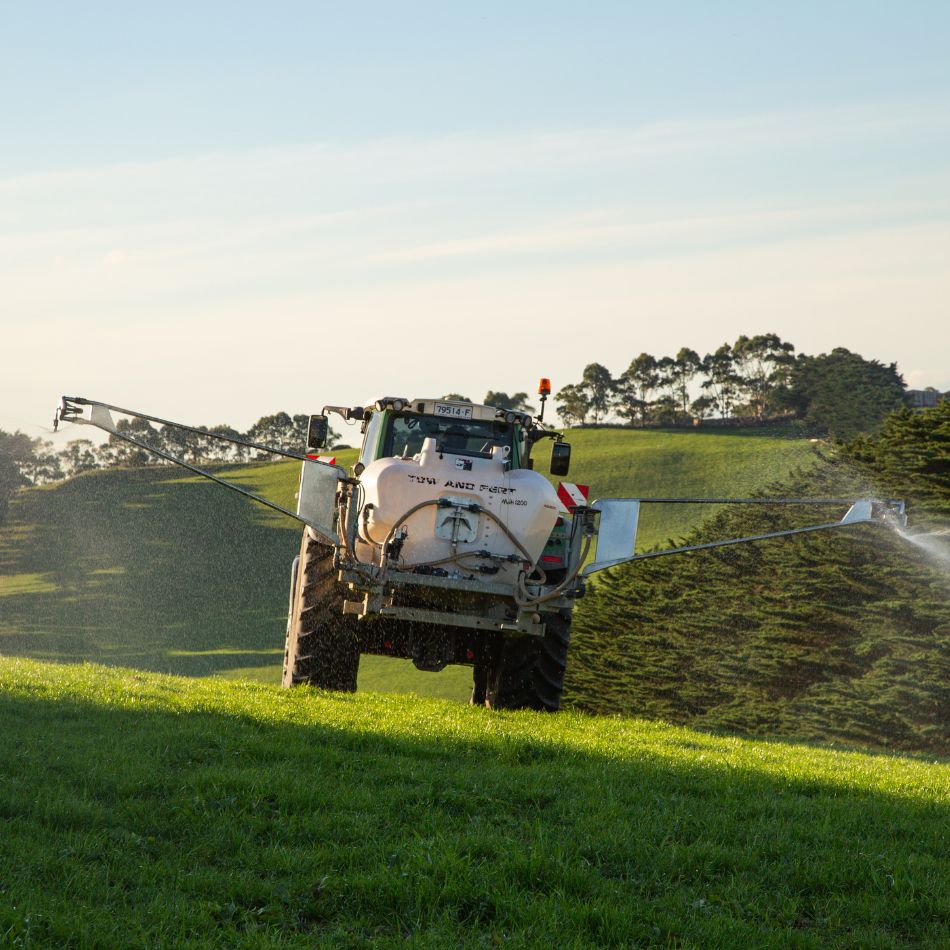
How it works: BAM is applied through conventional top-dressing methods to enhance soil with essential nutrients and create greater microbial activity. 

Benefits:
–  Boosts soil microbial health.
–  Reduces chemical fertiliser dependence.
–  Produces nutrient-rich, cost-effective crops.

Why BAM? It facilitates sustainable farming while improving productivity, directly impacting
the quality of pastures, crops, and even livestock health.


Minerals, Agriculture, Fertiliser, NSW

Step 3 – SEA SPRAY – Potent Seafood Hydrolysate

Ocean2Earth doesn’t stop at the soil—it takes plant nourishment to the next level with Sea
Spray, a premium fish hydrolysate solution.

What is Sea Spray?

  • – A seafood buffet for your plants, Sea Spray delivers marine-derived minerals, amino acids, natural nitrogen, and proteins directly to the root zone. It feeds the plant through the rhizosphere and the stomata, meaning that plants can absorb nutrients efficiently—even in challenging conditions like cold soil temperatures.

Benefits of Sea Spray:
–  Speeds up nutrient uptake for healthier, more vigorous plants
–  Enhances microbial activity, improving overall soil fertility.
–  Supports plants resilience to stressors such as climate fluctuations.
–  Perfect for organic or boosted nutrient farming.With its focus on delivering nutrients directly and efficiently, Sea Spray is a versatile companion to Ocean2Earth’s BAM system. It is best to conduct a soil test to check for nutrient deficiencies in the soil and determine the appropriate type and amount of extra trace elements needed to improve plant growth and health.

Supporting Products for Ultimate Flexibility 
Ocean2Earth offers a range of supplementary products to tailor their system for different crops, soil profiles, and farming goals.

1. Cal/Mag with 2% Humate
–  Balanced calcium/magnesium ratio to optimize soil and crop health for low- calcium/magnesium soils.
–  Enhanced nitrogen retention and nutrient balance.

2. Foliar with 2% Humate 
–  Perfect for seed beds and topsoil health, delivering fast-acting NPK and essential
minerals.
– Ideal for budget-conscious farmers looking to enhance soil productivity.

3. N/P with 2% Humate 
–  Precision nitrogen application combined with essential phosphorous, seaweed, and
trace elements.
–  Designed to correct deficiencies while promoting efficient nitrogen use.

4. Trace with 2% Humate 
–  A liquid trace element solution offering critical nutrients like selenium, zinc, boron,
and manganese.
–  Improves soil and crop resilience and provides an effective alternative to dry trace
mixes.

  • What Are Humates? These naturally occurring organic materials improve soil water
    retention, nutrient absorption, and soil structure, forming the backbone of Ocean2Earth’s
    liquid nutrient products.

The Big Picture Benefits 

FOR FARMERS

  •  Cost Efficiency – By improving soil health, Ocean2Earth reduces the need for expensive chemical fertilisers.
  • Higher Productivity – Nutrient-rich pastures and better crop yields ensure a higher return on investment.
  • Livestock Well-being – Improved feed quality benefits milk and butterfat production while supporting animal health.

FOR THE PLANET 

  • Waste Reduction – By diverting 500+ tons of seafood waste from landfills annually, Ocean2Earth promotes a sustainable, circular economy.
  • Environmentally Friendly Practices – Reduced dependency on synthetic fertilisers minimizes the ecological footprint of farming.
  • Healthier Ecosystems – Natural nutrient cycles are restored.

Partnering for a Better Future 
At Ocean2Earth, environmental responsibility and agricultural productivity go hand in hand. By choosing their innovative system, farmers, horticulturists, and agricultural businesses can take steps toward creating a sustainable, resilient future.

Learn more about Ocean2Earth’s Biologically Activated Minerals and Sea Spray Hydrolysate here and discover how these innovative products for a
natural Agriculture Solution

Your Soil Deserves the Best 

Take the first step toward revitalising your soil today with Ocean2Earth. Contact us for advice or to book your soil test!

Survive summer with these 5 Hot Gardening Tips

Don't Forget Your Indoor Potted Pals! Use Ocean2Earth soil enhancer

Summer’s here, and while we’re all about soaking up the sun and enjoying the longer days, our gardens might be feeling the heat a bit more! But don’t worry, with a little know-how and the help of Ocean2Earth Soil Improver, your garden can thrive even in the hottest months. Here are 5 “hot” tips to keep your plants happy and hydrated all summer long:
1. Supercharge Your Soil for Superior Moisture Retention
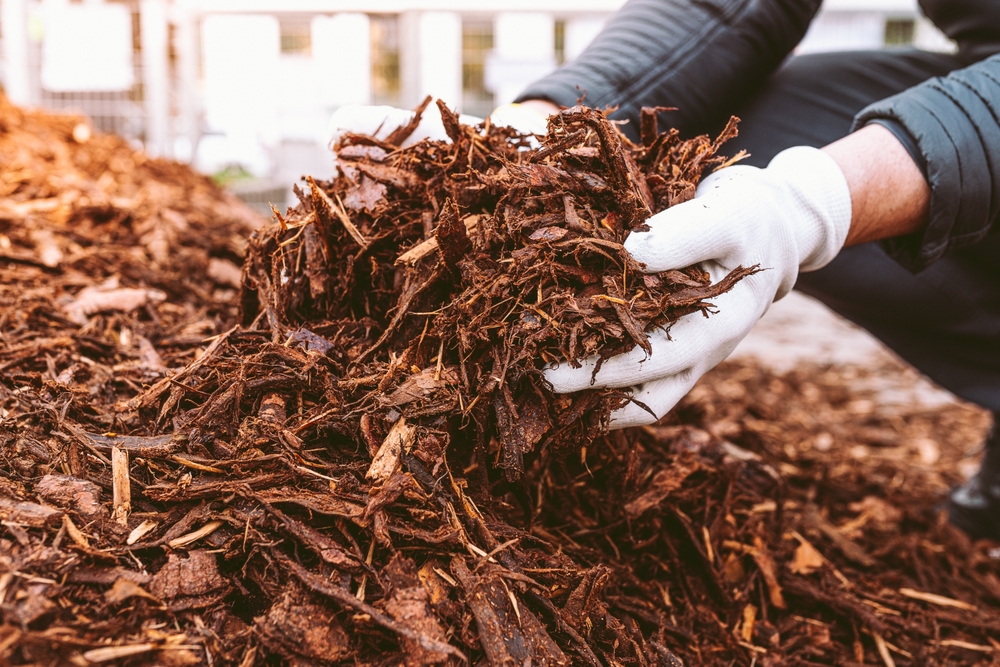
Summer means sun, and sun means thirsty plants! The key to keeping your garden hydrated is improving your soil’s water-holding capacity. Ocean2Earth Soil Improver, packed with natural organic matter, acts like a sponge, soaking up and holding onto precious moisture. This means less frequent watering and happier, healthier plants, even during the hottest spells. Simply mix it into your garden beds or potting mix to give your soil a summer-ready boost.
2. Mulch is a Must!
Think of mulch as your garden’s sunscreen. A layer of organic mulch, like bark chips or straw, helps to:
• Reduce evaporation: Keeping that precious moisture locked in the soil where it belongs.
• Suppress weeds: Less competition for your plants means more water and nutrients for them.
• Regulate soil temperature: Preventing overheating and keeping those roots cool.
3. Beat the Heat with a Soil Wetter
IIn hot, dry conditions, water often struggles to penetrate the soil effectively. This happens because organic matter in standard potting mixes and soils can form a protective, water- repellent layer. Using a soil wetter can help by breaking the water’s surface tension, allowing it to absorb deeply and reach thirsty roots. For an added boost, try Ocean2Earth Soil Improver. It introduces beneficial microbes that break down this organic matter, improving water infiltration and conserving moisture in the soil.
4. Love Your Lawn (a Little Longer)
Resist the urge to give your lawn a super-short haircut in summer. Keeping it a little longer provides shade for the soil, reducing evaporation and keeping the roots cooler. Plus, a longer lawn looks lusher and greener, even when the sun is beating down.
5. Don’t Forget Your Indoor Potted Pals!
Indoor Potted plants dry out much faster than in winter. Overwatering can be just as detrimental as underwatering, so you need extra attention in summer. Water regularly, and consider adding Ocean2Earth Soil Improver to your potting mix for the reasons mentioned above. Watering should increase from once a week to more frequently and a moisture meter is essential for indoor plants.

Bonus Tip: Remember that even indoor plants need a little extra TLC during summer. Keep them out of direct sunlight and ensure they’re getting enough water.
With these tips and the power of Ocean2Earth Soil Improver, your garden will see a healthy thriving garden, which can reduce temperatures in and around your home, even in the hottest summer months. Happy gardening!


Circular start-up turns fish guts into flowers

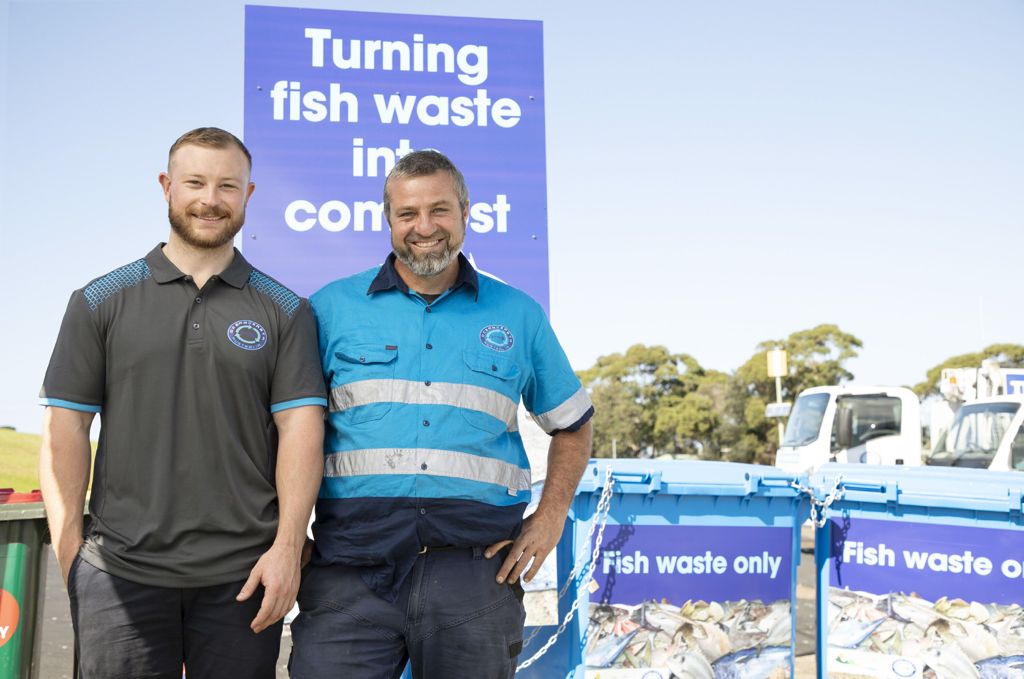
Kyran and Tim Crane, Ocean2Earth Australia

We’re thrilled to be featured in an article highlighting our work in achieving a circular economy.  Although it might not be the most glamorous headline, turning organic waste into soil, it is our mission.

Our Australian startup diverts 500 tonnes of waste from landfills each year by transforming fish waste into a powerful soil enhancer.

♻️ Circular economies are the future, and we’re proud to be leading the way!

Check out the link to the Canberra Times article.

https://www.canberratimes.com.au/story/8799521/circular-start-up-turns-fish-guts-into-flowers/

Bega’s bid to become a circular economy to reduce waste

Bega's bid

Ocean2Earth was recently highlighted on Landline as a crucial partner in the Bega Valley Circular Economy initiative. This venture involves taking fish waste from the region and transforming it into Australia’s first certified marine soil enhancer.
Ocean2Earth in the Bega Valley in NSW is progressing towards circularity by collecting seafood waste, such as sea urchins, to produce fertiliser. Plans for a $19-million National Centre for Circularity in Bega are underway, with Bega Group contributing $5 million.
The circular economy concept in Bega has garnered support from various stakeholders like Rabobank, KPMG, universities, and government bodies. Former Mayor Kristy McBain praised the community’s commitment to lasting change, emphasising the area’s potential for leading by example.
The Bega Valley’s unique attributes, including one council and airport, make it an ideal location for the circular economy trial. With a focus on sharing knowledge and inspiring others, the goal is to establish a model that sets a benchmark for sustainability and innovation.

Explore Ocean2Earth’s role in the Bega Valley Circular Economy by reading the article on the ABC News website and watching the episode on ABC iview.
ABC Newshttps://www.abc.net.au/news/2024-07-21/bega-circular-economy-renewable-target-sustainable- waste/104108834

Exciting Job Opportunity

🌊🌿 Exciting Opportunity! 🌿🌊

Join the Ocean2Earth family as our National Product Manager and be part of a game-changing circular economy initiative! 🌏✨

Ocean2Earth is not just a business; it’s a movement towards a no-waste economy. 🔄 We’re turning “seafood waste” into premium organic garden products, revolutionising the way we manage and recycle industry byproducts. 🦐🌱

Our mission is to be the leading natural fertiliser brand in the market, and we need YOU to make it happen!

As the National Product Manager (NPM), you’ll be the powerhouse behind our day-to-day sales and marketing operations nationwide. 🚀 Working closely with our timber sales force and utilising our four nationwide warehouses, you’ll drive sales initiatives, build new accounts, and nurture customer relationships.

Why Ocean2Earth?

✅ Circular economy focus

✅ 100% natural products

✅ Made from Australian industry byproducts

✅ No artificial or synthetic additives

This role is based in Sydney, Brisbane, Melbourne, or other major cities in Australia. 🏙️

Apply now and be part of shaping the future of natural garden products in the market. 🌱🛍️

Don’t miss out on this opportunity to make a real impact!
Apply now and grow with us! 🌱🌊
https://www.seek.com.au/job/73228401?ref=search-standalone&type=standout#sol=9b46bf7301e1cee53905b8222d26bbf1c809c78c